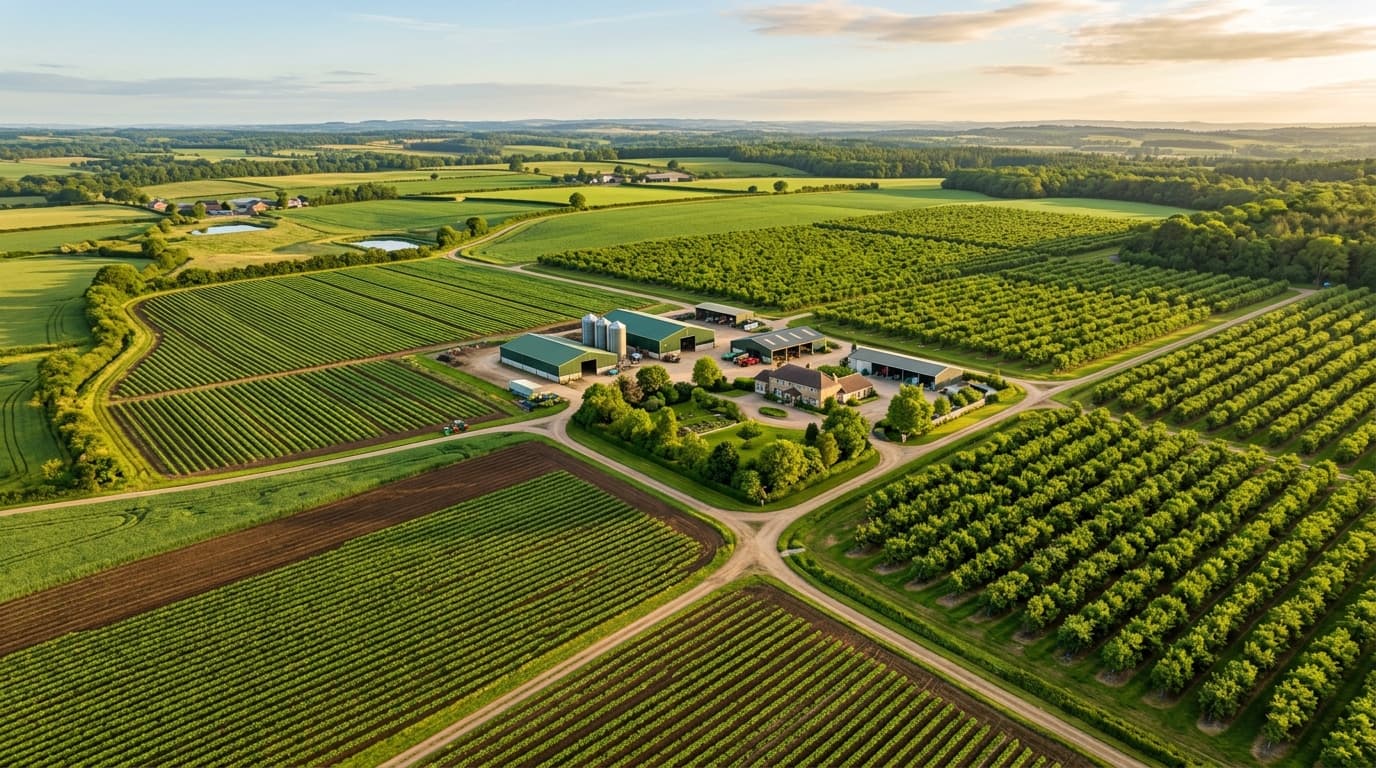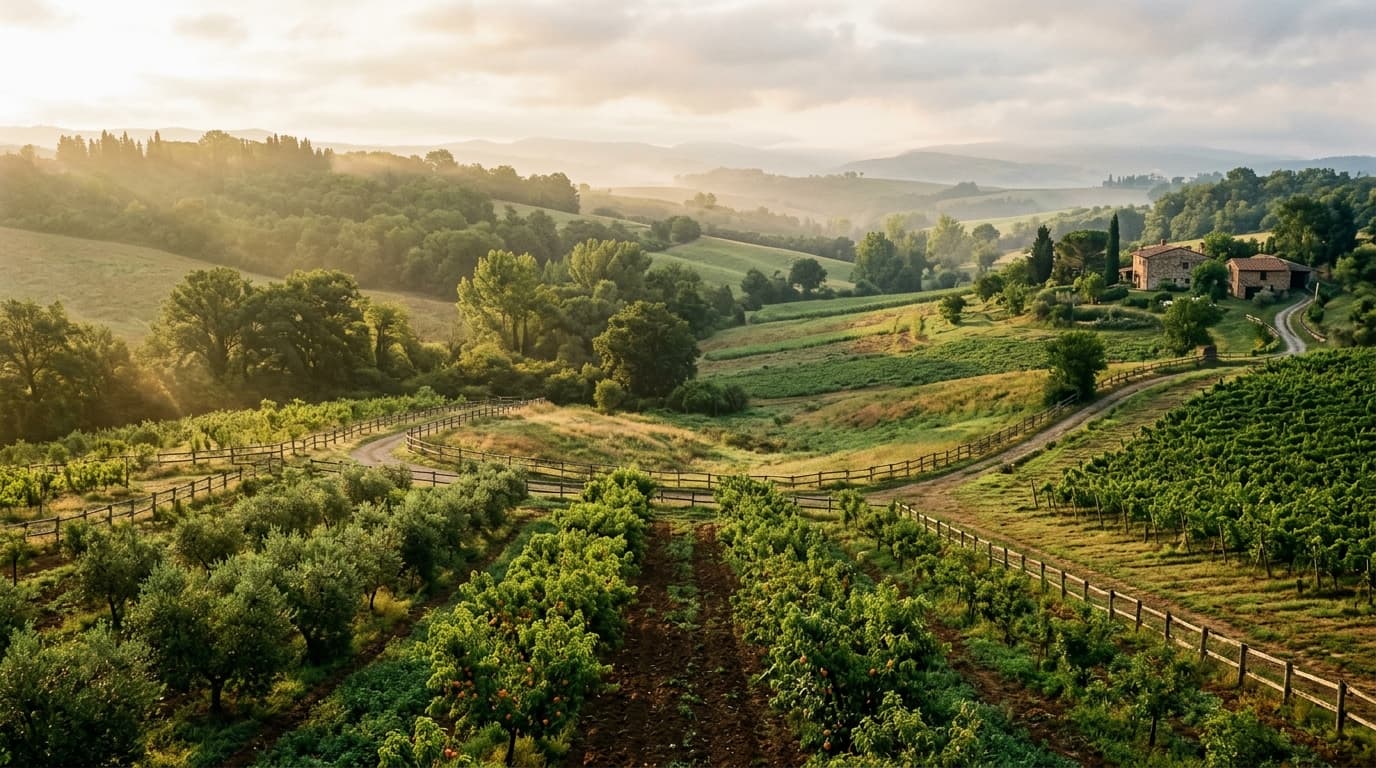


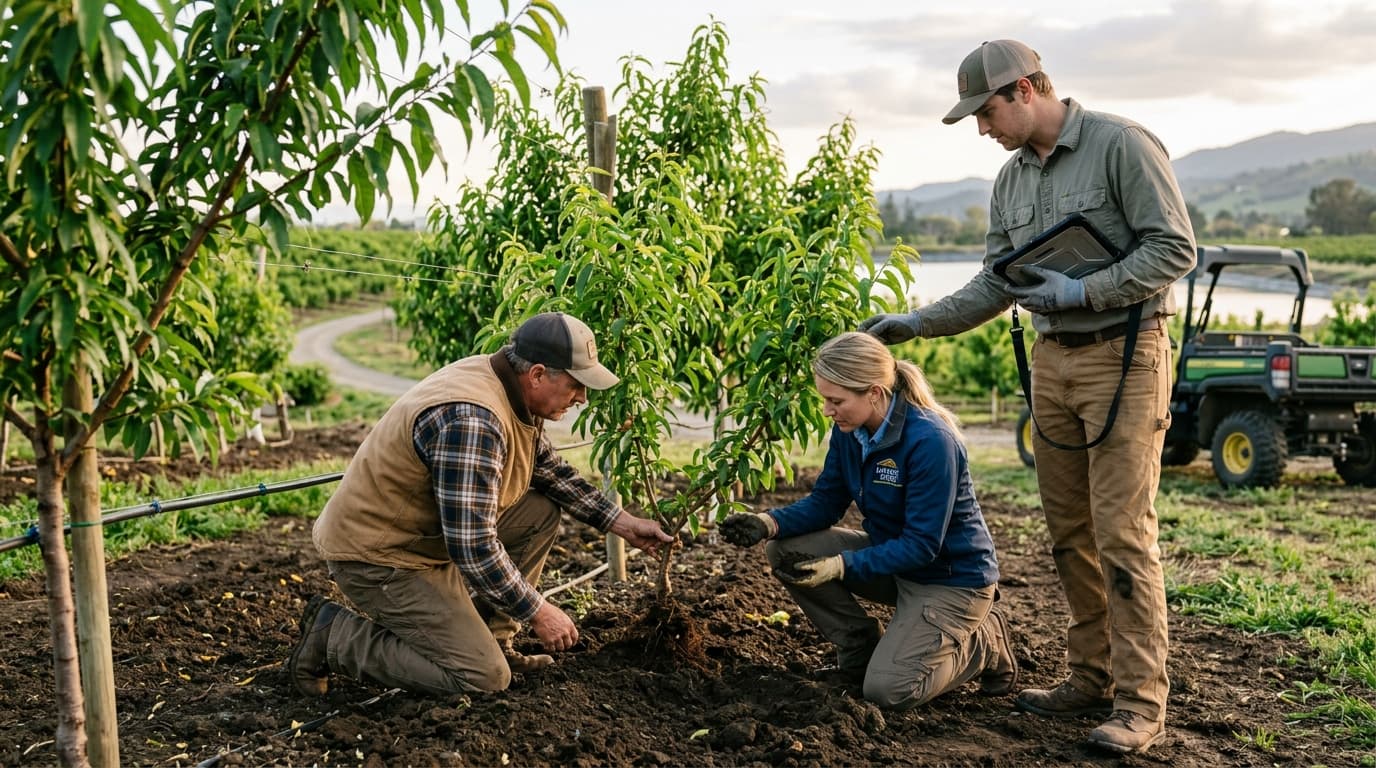
Healthy soil is not a passive medium for crop roots; it is a complex biological ecosystem containing billions of living organisms per gram.
Over decades of chemical-intensive agriculture across the Deccan plateau, extensive topsoil erosion and carbon depletion have compromised natural soil structure. Restoring living soil biology requires deliberate, patient intervention through natural organic inputs and microbial activation.
The Role of Soil Organic Carbon (SOC)
Soil organic carbon acts as the biological sponge of the farmland. Every one-percent increase in soil organic matter dramatically elevates water retention capacity, enabling root systems to withstand dry spells without excessive supplemental irrigation.
In-situ biomass mulching with crop residues and native legume green manures creates a protective thermal blanket, moderating soil temperatures and preventing evaporation under high solar radiation.
Topographical Water Management
- Contour bunds designed along natural elevation lines to arrest surface runoff
- Interconnected percolation swales that guide monsoon water directly to sub-surface recharge pits
- Strategic placement of farm ponds to harvest surplus seasonal rainwater for dry-period irrigation
- Subsurface root-zone drip emitters that minimize water loss and eliminate weed proliferation
“Water security on managed land is not achieved by digging deeper borewells, but by slowing, spreading, and sinking rainwater where it falls.”
Through the combined discipline of biological soil nourishment and topographical water harvesting, agricultural parcels achieve long-term resilience against climatic fluctuations.